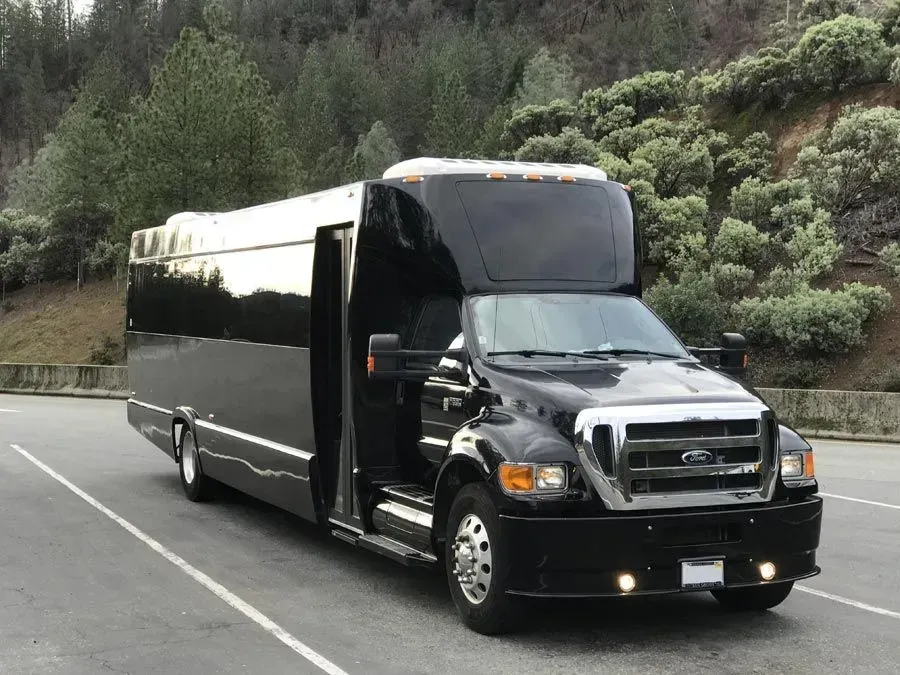
Event planning entails numerous tasks, and travel logistics are often neglected. One common mistake is assuming that guests will find their own way to the venue or rely solely on personal vehicles. These oversights can result in delays, chaotic timing, and frustration for both organizers and guests. Properly assessing how many guests require transportation, including special accommodations, is crucial. Taking into account ease of access and convenience guarantees timely and comfortable arrivals. Neglecting transport considerations may negatively impact both schedule and guest experience.
Booking transport without knowing how many attendees need it can lead to packed cars or extended delays. It’s important to plan transportation logistics with flexibility to handle unexpected changes. Securing dependable transport ahead of time avoids problems caused by scarcity. By considering peak travel times and traffic patterns, hosts can minimize delays and maintain a smooth event schedule. Careful planning of transport demonstrates competence and meticulousness. Haas Limo provides reliable service so attendees travel smoothly throughout.
Neglecting Clear Directions to Transportation Teams
Maintaining open and clear dialogue with providers is key to effective event transport. Errors about pickup schedules, destinations, or vehicle types can cause chaos during the event. Providing detailed instructions and confirming arrangements multiple times can prevent these errors. Communicating unique preferences or VIP accommodations ensures proper service. Lacking proper coordination may reduce service standards and affect attendees’ satisfaction. Alignment among hosts, drivers, and coordinators guarantees smoother operations.
Designating a central coordinator for transport details simplifies oversight. It allows quick handling of adjustments and ensures drivers know the full itinerary. Verifying routes and timing beforehand minimizes potential setbacks. Giving attendees access to relevant contacts ensures concerns can be addressed immediately. Clear, comprehensive dialogue improves overall transport management. Regular updates throughout preparation build reliability and confidence.
Neglecting Schedule Considerations
Proper scheduling is essential for successful event travel. Incorrect estimates of travel time may cause delays or anxious arrivals, affecting event flow. Including extra time for congestion, unexpected holdups, or parking issues reduces strain. Managing arrivals to reduce bottlenecks ensures a calm and efficient guest flow. Proper timing encompasses beginning and ending phases for uninterrupted operations. Accurate timing reflects competence and careful planning.
Exceeding vehicle capacity or misjudging travel time interrupts flow. Detailed itineraries enable teams to execute transport without confusion. For multi-location events, mapping out travel sequences and timing ensures guests reach each destination comfortably. Considering individual guest needs, such as those requiring additional assistance, adds to the efficiency of transportation services. Thoughtful timing ensures calm, orderly transportation for all. It also allows hosts to focus on the event itself rather than dealing with logistical issues.
Neglecting Unique Attendee Needs
Certain guests could have needs that must be factored into planning. Examples include wheelchair access, food restrictions, or privacy for high-profile guests. Ignoring these requirements can lead to discomfort and dissatisfaction. Advance preparation lets providers ready the proper vehicles and support. Addressing all needs increases satisfaction and reinforces a positive experience. Considering individual needs reflects professionalism and thoughtfulness.
Informing staff of guest specifics avoids mishaps and facilitates seamless travel. Providing accessible cars or extra storage accommodates equipment and reduces surprises. Predicting possible challenges demonstrates preparedness and guest-first thinking. When attendees’ needs are met, they enjoy a pleasant and lasting impression. Organizers who plan for unique requirements circumvent typical mistakes. Attentive organization allows everyone to travel smoothly and securely.
Overlooking Vehicle Care and Standards
Vehicle upkeep and quality are critical for ensuring attendee comfort. Old, worn, or substandard vehicles can leave guests with an unfavorable experience. Routine checks for cleanliness, mechanical issues, and interior comfort are essential. High-end travel relies on both timely service and superior vehicle quality. Guests expect smooth, safe, and enjoyable transportation, particularly for high-profile or formal events. Neglecting maintenance may diminish the impact of well-planned event logistics.
Pre-event inspections help secure dependable transportation and reduce stress. Ensuring entertainment, lighting, and climate functions are operational improves the ride experience. Extra amenities such as drinks or mood lighting elevate the premium feel of the journey. Having cars ready ahead of time avoids unexpected issues. Maintaining high standards demonstrates competence and meticulous planning. Observant guests will remember well-maintained vehicles as part of the event’s quality.
Failing to Plan for Unexpected Changes
Since plans can change, adaptable transport arrangements are crucial. Delays from conditions or extra guests may interfere with precise plans. Ignoring backup plans increases the risk of disruption. Having extra cars or alternative routes ready maintains flow despite surprises. Planning for flexibility helps maintain the confidence of both guests and staff. Flexibility ensures a seamless and pleasant event experience.
Working with a provider to plan alternatives enhances event reliability. Alerting drivers to possible modifications ensures rapid adaptation. Structured contingency plans protect against setbacks and reassure attendees. Foreseeing potential issues reflects careful planning and competence. Flexibility and preparedness are key factors in creating a seamless experience. Anticipating surprises allows organizers to manage schedules efficiently.
Choosing the Wrong Type of Vehicle
Using vehicles unsuitable for the group or event can harm the experience. A too-large car can seem detached, while a small car may be overcrowded. Knowing which vehicle suits the group size, cargo, and event tone is essential. Amenities like Wi-Fi, climate control, and spacious seating contribute to the comfort and convenience of attendees. Vehicle appropriateness reinforces the overall style and organization of the occasion. Attention to vehicle suitability shows professionalism and foresight.
Working with experts eases vehicle choice and planning. Experienced companies ensure the right vehicles for every occasion. This includes accounting for guest comfort, style preferences, and any additional requirements. Proper planning for vehicles minimizes complications and elevates the event. Working with Haas Limo allows hosts website to ensure guests arrive in style and comfort. Vehicle appropriateness leaves a positive, lasting impact on guests.
Inadequate Coordination Between Drivers and Event Staff
Ensuring drivers and event teams work in sync is essential for success. Lack of synchronization may cause timing issues and logistical confusion. Open lines between drivers, organizers, and staff maintain clarity. Offering complete itineraries ensures prompt response to modifications. Effective coordination contributes to a seamless flow and minimizes stress for both guests and organizers. It ensures that transportation supports the overall success of the event.
Pre-event meetings help staff and drivers prepare and clarify instructions. Setting up monitoring and contingency measures improves response to issues. Tracking guest movement avoids congestion and scheduling problems. Effective dialogue improves security, convenience, and smooth operations. Haas Limo’s experience guarantees professional execution of coordination. Smoothly coordinated transport creates an enduring impression of professionalism.